Best Value Coffee Brewer – Ninja Programmable

The Ninja CE251 Programmable Brewer is available at many retailers and is a great option if you are looking for the best value in a coffee maker. It makes great coffee and has strong set of features. While this model is not certified by the Specialty Coffee Association (SCA), some of the machines in the Ninja line are and they may have carried some of the capabilities into this machine. Check out the Ninja CM407 for an SCA certified MultiServe brewer with thermal carafe that can make different serving sizes easily (see our full review of the CM401). We also reviewed the Cuisinart PerfecTemp with a similar price price and the Ninja performed much better.

The machine isn’t the best looking machine out there, but it is thoughtfully designed. Some of the great features are the removeable water compartment, showerhead dripper, drip stop basket holder, programmable auto-on and brew straw to prevent coffee stratification. I wish it came with a thermal carafe option, but at this price point it is a great value. You cannot brew into anything other than the supplied carafe due to the machine design, so an after market carafe or brewing into a mug is not an option.

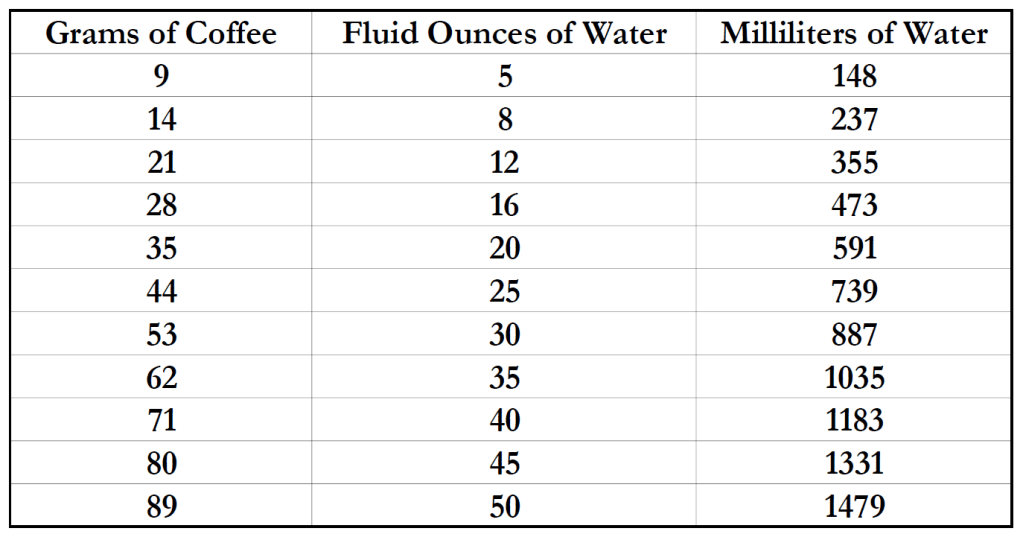
One reason why you always hear me talk about measuring coffee by weight and milliliters is that there is no standard cup size on these machines. This machine comes with a 60 ounce or 12 cup carafe, which if you do the math would mean they define a “cup” as 5 ounces, but if you test that with a measuring cup the markings on the water compartment aren’t exact. How I measure coffee is use a measuring cup with milliliter markings for water and refer to my chart below to determine how many grams of coffee to use with how much water. I grind the beans fresh each time before brewing, but you can grind the night before if you want to program it for auto start.

One of the main requirements to earn SCA certification is the brew temperature and this machine brews at the ideal temperature. With a final brew temperature of 185F (with hot plate off) for a 700 ml brew, this brew temperature is on par if not better with the SCA certified brewers we have tested. For comparison, a pour over made with fresh off the boil water is about a 178F final brew temperature. I also like that you can turn off the hot plate so you don’t cook your coffee and also set the auto off time for the hot plate. Not have the option for a thermal carafe isn’t a deal breaker, as long as you transfer your coffee within about 20 minutes you should be ok leaving it on the hot plate. I turn the hot plate off all together and make sure to transfer my coffee to a thermos or mug soon after the brew is done, which has an audible alert or there is an auto drip stop when you remove the carafe.

The machine uses #4 cone filters which are easy to find. For the cost, features and brew quality this machine is our pick for best value coffee brewer, with such great results you’re paying for design and build quality/warranty on the higher priced brewers. Check out all our recommendations here.

You can download the Ninja CE241 manual here.

Best Mid-Range Brewer – Bonavita Connoisseur

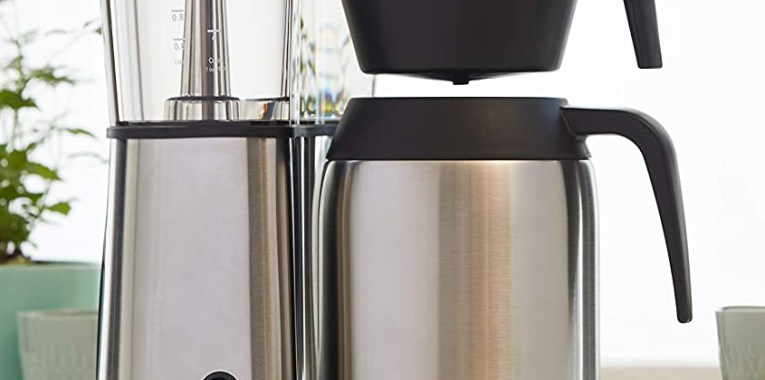
The Bonavita Connoisseur BV1901TS Coffee Brewer is the lowest priced SCA certified home brewer at around about half as much as a Moccamaster. It offers bare bones, no frills one touch operation with great results and, like the Moccamaster, has an almost cult like following. It only offers one setting and cannot be programmed and also cannot be used with a timer switch due to the spring-loaded power button that cannot be left in the “on” position.

This is their latest model that offers a hanging basket which is easier to use than their older models where the filter basket awkwardly sat on top of the carafe. There is no drip stop on the filter basket so watch out for dripping when rinsing the filter paper or dumping the grounds, what I do is just leave an empty mug under the dripper after I remove the carafe and then dump the grounds when it fully stops dripping.

The Bonavita Connoisseur has a 1.3 liter (just under 44 fluid ounces) capacity and comes with a thermal carafe. It uses standard type flat bottom basket filters. Moccamaster, Braun MultiServe (review) and the Cuisinart PerfecTemp (review) all use #4 cone filters. You can read all about the latest research here into flat bottom vs. cone filters.

It has a showerhead for even water distribution over the grounds and the only thing you can set on this machine is the pre-infusion option which mimics the bloom process we do in pour over. Hold the power button down for 5 seconds until you hear two beeps and the LED flashes. You will know it is working because the light will flash during brewing if pre-infusion is enabled, the light will be solid if it is not. It will keep the pre-infusion setting until the machine is unplugged. This is highly recommended if you are using fresh roasted coffee to help the grounds degas as part of the brewing process. If your coffee was roasted 6 months ago it won’t make a big difference.

With a 700 ml (about 24 ounces) brew size the coffee temperature was 178F in the carafe and the coffee tasted great and well extracted. The carafe has a little bit of the same issue as the PerfecTemp with pouring the last bit of coffee, but it wasn’t prone to dripping which made this a non-issue. The PerfecTemp issue was that you had to turn the carafe almost all the way upside to get the last bit of coffee out, which caused coffee to drip all over.

Another machine I took a close look at was the OXO Brew 8 Cup Coffee Maker for and I almost bought it. It has roughly the same capacity as the Bonavita Connoisseur at 40 ounces, however it uses a combination of a flat bottom basket filters and a specialty filter for single servings (20 ounces or less). Excuse my nickel and diming, but a standard basket filter is about 1 cent each, a #4 cone filter is about 3.5 cents each, a Hario V60 filter is about 6 cents each, the Kallita Wave 185 that you need to use with the OXO is 13 cents each. I started this process with cost in mind and just felt 13 cents per brew for a paper filter seemed high and I also didn’t want to deal with two different filter types with two different filter baskets. You can check out a video comparing these two machines here.

Check out the Bonavita Connoisseur manual here.

Cuisinart PerfecTemp Review

A quick search will show you that these PerfectTemp coffee makers are amongst some of the best reviewed and most popular mid-range brewers. The Cuisinart DCC-3200P1 PerfecTemp Coffee Maker with Glass Carafe has a ton of reviews, however since I recommend finding a coffee maker with a thermal carafe, I tested the Cuisinart DCC-3400P1 PerfecTemp Coffee Maker with Thermal Carafe. This machine is not SCA approved, but comes in at a lower price point than those brewers.

The machine has a lot of great features, it has a showerhead to drip the water over the grounds, it can be programmed for auto brew, it has a large capacity of 96 ounces (75% of a gallon), has a drip stop filter basket and makes good coffee. With the name PerfecTemp I wanted to compare the brew temperatures with other machines/methods. I used 24 ounces (around 700 ml) as a brew size and the Cuisinart PerfecTemp brewed coffee was 175F, the SCA approved Braun MultiServe I previously reviewed was also 175F (although I’m sure that was aided by the hot plate) and a V60 pour over with freshly boiled water was 178F.

While the brewer has good features and makes good coffee, the carafe is terrible. The way it is designed means you basically have to turn the carafe upside down to get out all the coffee, which would lead it to drip all over. Many people when making coffee in this type of brewer will first fill the carafe and use that to pour water into the machine, with the way the water tank is designed this can’t be done without pouring water all over. I resorted to using a large measuring cup or separate pitcher to fill the water tank. The way the brew pause and filter basket is designed you must brew into the provided carafe and cannot brew into a mug or anything else.

This brewer come with a reusable metal filter, but I recommend you use #4 cone paper filters for best results. The carafe for this machine was just too awkward to want to use on a daily basis. If you are ok with a brewer with a glass carafe and hot plate, I would recommend you get the Ninja Programmable Brewer (review). Or get the Bonavita Connoisseur (review) at a slightly higher price point.

While it looks like the carafe for the Cuisinart DCC-3200P1 is designed better, it has a 112 ounce capacity (87.5% of a gallon) and with my prior recommendation that you don’t keep a carafe on a hot plate for more than 20 minutes, I’m not sure this is the machine for smaller brew sizes or for keeping coffee warm all morning.

Check out the manual here.

Braun MultiServe Review

In another post recommended two coffee brewers that were on the higher end with great reviews and features, but I wanted to review a coffee brewer that could easily make single servings of coffee with a lower price point, the Braun MultiServe Machine KF9070SI.

This is the one of a few* home brewers certified by the Specialty Coffee Association (SCA) that has the option to brew different servings sizes without changing the amount of water in the machine. Most coffee machines will brew until the water tank is empty, so if you put in 24 ounces of water you cannot then choose to brew 16 ounces unless you dump some water out. I think for convenience it is easier to fill the tank every day or two and only have to worry about dosing your coffee.

SCA approval is a process where the manufacturer can pay a fee for SCA to test their home brewer, if it passes all the tests it can be marketed with this certification and listed on their website. The gold setting on this machine means that it meets the SCA Golden Cup recommendations with regard to brew temperature, time, extraction and many other factors you can read about here. There are many great coffee makers out there that don’t pursue this certification, but for the manufacturer to go through this process, to me, it means they want to show their specialty coffee consumers that their brewer meets the highest standards.

I chose this because I felt the typical use case for a household with a Keurig or Nespresso machine is that only one or two people drink coffee in the household and they need easy single serving size options. I felt that if your household was the kind to need 40+ ounces of coffee in a large carafe that needed to remain warm for hours for multiple pours, you likely already have a traditional drip coffee brewer. They sell single serve machines, but for me I also need the ability to make a larger batch when I have guests.

The Braun MultiServe Machine KF9070SI a pretty big and bulky machine, but looks pretty good. The only difference between this model and the KF9050 is that the KF9070SI has more stainless steel by the selector dial. The KF9150 and KF9170 add the ability to dispense hot water with temperature selection with different color options.

It made great coffee, but the control system is not great. Right out of the box I was hit with an error message that required me to perform a 23 minute descaling cycle to resolve, after that I was able to make some great coffee in different brew sizes. With this machine you would only need to adjust the amount of coffee you put in and keep the water tank full. Overall, if you need the ability to select different brew sizes without having to also measure out water, this is a great option for you once you get used to the controls.

It comes with a reusable metal filter, but I recommend you use it with #4 cone paper filters. I tested it with natural/brown paper filters, but bleached are preferred if you can find them because they transfer less paper taste. Nowadays filter papers are bleached using a process called oxygen-bleaching and not with high amounts of chlorine bleach as you might have thought, they are safe to use although some are not compostable like the natural/brown ones are. If you choose to use paper filers, just insert it into the basket directly and set the metal filter aside.

The Braun MultiServe can auto brew so you can wake up to a hot pot of coffee. One thing I noticed is that my Contigo 20 ounce and Zojirushi 16 ounce travel mug would not fit under the dripper due to the low cup clearance height, so you would need to brew into the carafe (or something else) and then transfer it.

This brewer has no option for a thermal carafe which would have been a big plus. It uses a hot plate on the half and full carafe settings, however as long as you transfer the coffee to a travel mug or cup within 20 minutes it shouldn’t be an issue. What you want to avoid is leaving it on there for hours (this model shuts off the hot plate after two hours) while it cooks your coffee (the plate was about 190F per my measurements). I think the best use case for this machine is having the machine start when you wake up, then pour the coffee and go on your way to work rather than having it sit on the hot plate. If you need to keep coffee warm for many hours for multiple refills, I’d go with a brewer with a thermal carafe. We recommend the Ninja CM407 as a SCA certified MultiServe that comes with a thermal carafe (see our full review of the CM401).

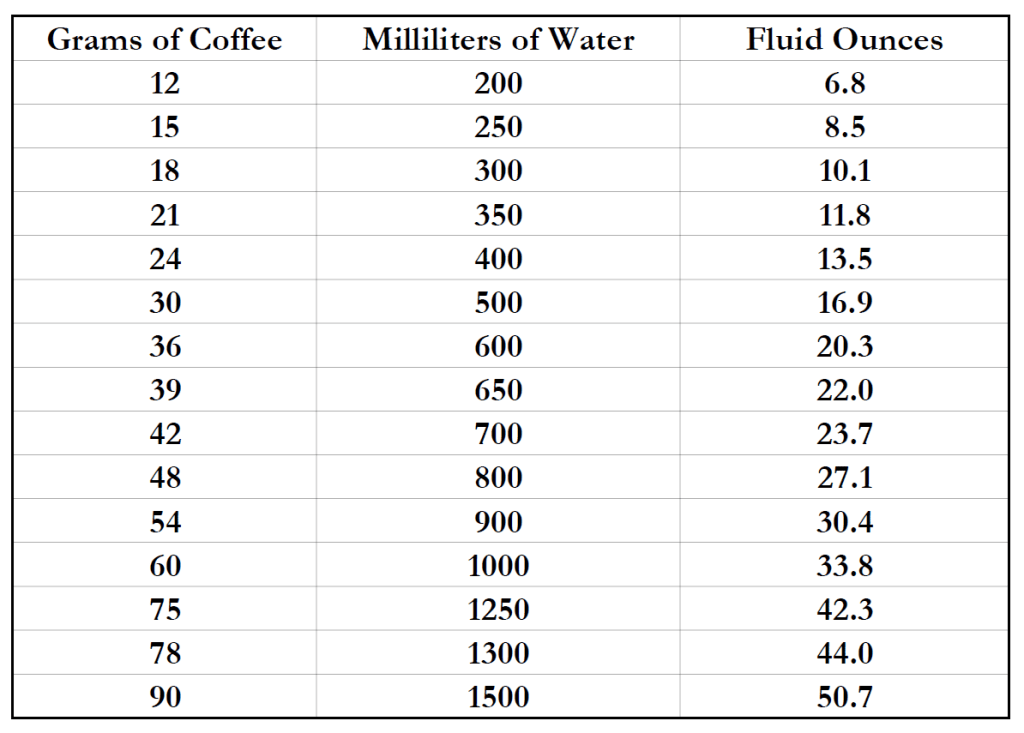
I posted about how we should measure coffee by weight and not volume, so I made this chart as a quick guide to show how much coffee to use for the different presets and markings on this machine.

I always keep my grinder’s bean hopper empty since I switch different beans all the time and use different quantities. My process is that I measure the amount of whole beans I need with my scale, then I put them in my grinder and run it until it is empty. If I am brewing right away, I will rinse out my filter paper with hot water to try and get some of that paper taste out. If not, place your ground coffee into the dry filter paper and set the auto on feature on the gold cup setting (this is the mode that meets the SCA standards). One of the good design features is that the filter basket has an integrated drip stop so it makes it easy to empty the grounds or rinse the filter paper without it dripping all over.

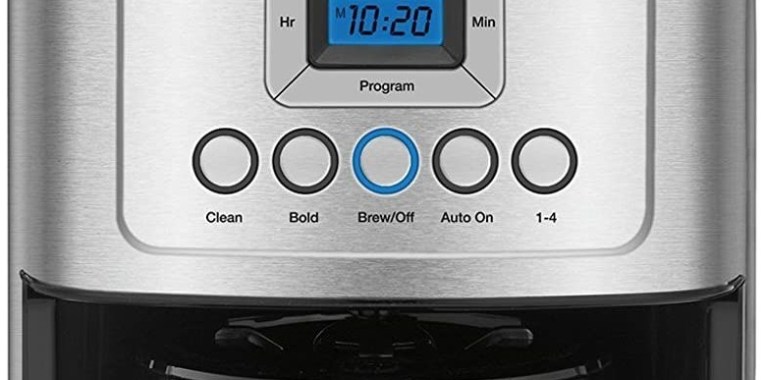
I’ll give an example of the poor controls, next to the power button is the clean feature to descale the machine. If you accidently press it, it will start a 23 minute descaling process that you cannot stop, not even if you unplug the machine. I assume this is because they don’t want you to drink a bunch of descaling solution. Not only that, the process stops with 4 minutes left, which is when you are supposed to fill the water tank and push clean button again for the final flush of the process. If you didn’t read the manual your coffee brewer would just be stuck like this and unable to brew coffee. I would find that very frustrating if I was just trying to get out the door with my coffee. Other Braun brewers require two buttons to activate the clean cycle, while other brands require a long press to avoid accidental selection.

Here is a link to the manual, I like looking at these to get a feel for the user interface, features, limitations, etc.

*Ninja has SCA approved brewers with serving size selection, but looking at major retailer inventory at the time this was written they appear to be discontinued and/or out of stock. The post was updated to include a recommendation for the Ninja CM407 as a thermal carafe option. Full review of the Ninja Specialty Coffee Maker coming soon.

Best Value Kitchen Scale

As I mentioned before a scale is one of the most important things you can use for better coffee. Don’t use scoops, tablespoons or volume to measure your coffee. You should weigh it and follow the ratios shown here for making filter coffee. One exception is if you know the exact weight per “scoop” of your coffee and you don’t have a scale handy, such as at the office or somewhere else.

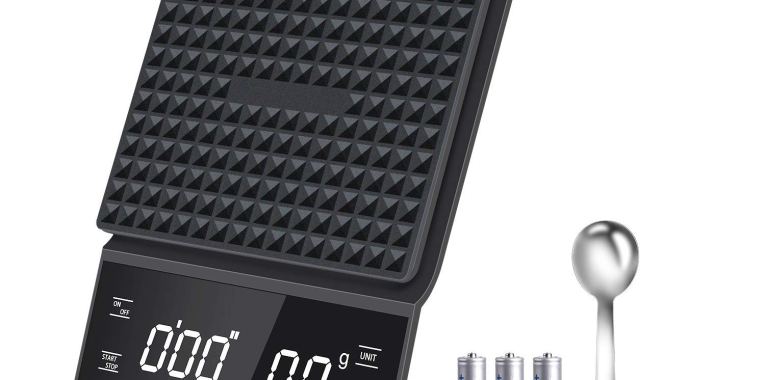
I tested six different kitchen scales for use with pour over coffee and general kitchen use. The best one I found was the FEESPEC Coffee Scale with Timer. I tested scales from about $10 to $75 and this one worked the best. Fun trivia, a penny weights 2.5 grams and a nickel weighs 5 grams if you ever need to test a scale’s accuracy.

Here is the rundown:

  • The FEESPEC Coffee Scale with Timer, quick startup, accurate, includes a timer and accurate down to .1 grams. There is a little lag when using it for pour over, but at this price point it works well. I also like that you don’t need to long press for most functions, only to restart the timer.
  • My existing kitchen scale that I got for $10 about seven years ago, it was only accurate to 1 gram and didn’t have a timer. Worked well, but it was time for an upgrade to have better accuracy and a timer.
  • The Hario V60 Drip Scale, accurate down to .1 gram, but only has the ability to weigh in grams. Also I learned that at higher weights it starts rounding to the half gram. Living in the U.S. there are just times I need to know ounces and pounds. There was a bit of lag when using this to pour over and it also has a built in timer. Didn’t feel the scale was worth it at this price point.
  • The OXO Kitchen Scale with Timer, for the price it just didn’t perform to my expectations. The startup time was slower than the FEESPEC and requires a long press to turn it off. It is accurate down to .1 grams and has a built in timer.
  • The Salter High Precision Stainless Steel Digital Kitchen Food Scale, which wasn’t actually high precision as the scale would round to the closest half gram so that was one out right away.
  • The KitchenTour Coffee Scale with Timer, this is actually the exact same scale as the FEESPEC with different branding on it so I went with the lower price model.

What is the big deal about scales? Also, are these really value scales? People who make espresso often use scales that cost $140 to $225 so these are definitely on the lower end of the spectrum for coffee scales.